This Thanksgiving season, I’m grateful for the many wonderful writing communities that have included me over the years. After completing a few big submissions in October (fingers crossed!), I spent November catching up on some amazing reads from one of those communities. I thought I’d share a little about each of them. No questions this time—just appreciation!
All four of the novels below are murder mysteries, or mystery-adjacent, which is a genre I don’t typically read. But I had so much fun reading these that I may need to put more mysteries on my to-read list! I’ve shortened the book jacket summaries for the sake of space in this post, but please click on the links to read more about these great novels.
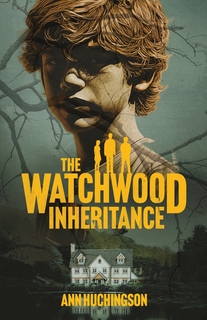
Thirteen-year-old Peter Penstimon thought summer meant sun, surfing, and maybe a little boredom—not unraveling family secrets at a crumbling estate teeming with ghosts. But when Peter’s parents drag him to Watchwood Farm, the long-abandoned ancestral home, everything changes. He soon discovers his father isn’t who he thought he was and neither is Watchwood. Haunted by spirits desperate to reveal a centuries-old mystery, Peter is pulled into a chilling quest for answers.
I love MG/YA novels and this one fits the bill perfectly. It’s sweet and fun, but also it has ghosts! If I knew a kid that was the right age, I would definitely pass it along. It’s a quick, easy read but still complex and interesting, and it kept me hooked till the end.
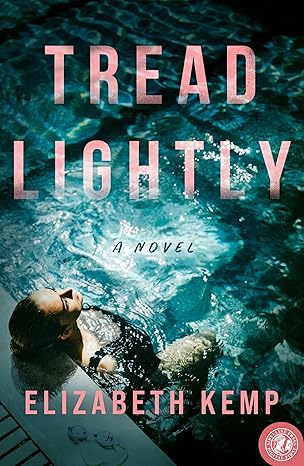
When a lifeguard’s body is found at the local pool where Tierney lap swims daily, she is pulled back into the life she thought she had left behind when she was a member of the Crisis Intervention Squad in Dublin, Ireland. A former hostage negotiator turned stay-at-home mom, her move to Silicon Valley for her husband’s job offered the contrast of a calm, domestic life. But this murder investigation disrupts all that, connecting to an event in her past, and threatening to overwhelm her.
As Tierney struggles with survivor’s guilt from her previous employment and wrestles with the motherhood/career balancing act, there’s still a murder to be solved. And in helping solve it, Tierney discovers the assumptions we make about people can be completely incorrect—even when those people are ourselves.
This mystery reminded me of Big Little Lies —only much lighter and more down-to-earth. I loved the contrast of the protagonist’s past with her present in the Silicon Valley private school world. Her backstory was woven into the narrative beautifully. And I loved the ending!
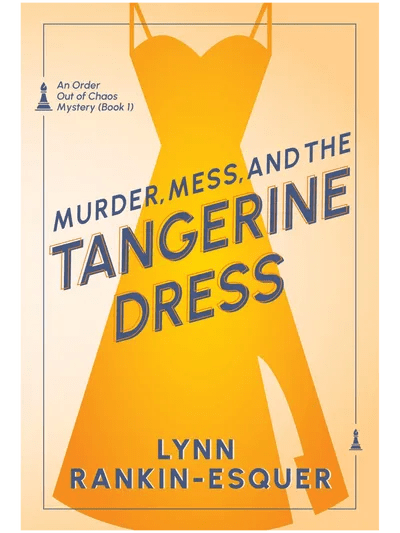
A professional organizer’s life shouldn’t be this messy but Izzy Bishop is no ordinary organizer. For one, her own house is a mess, she’s headed for divorce, and almost out of money. Then there are the odd extra sensory abilities she has hidden her whole life, recently sent into overdrive by a Near Death Experience.
When the dead husband of their client Joanna barges into Izzy’s head to tell her that someone is trying to kill his wife, Izzy’s boss (and sister!) Lauren forbids her from acting on these ‘woowoo’ senses. Izzy realizes she will have to betray Lauren if she is to find the murderer before Joanna is the next victim. In the process, Izzy discovers that you can only cover up so much for so long. And when it all starts coming out, it is messy.
The psychic thread in this murder mystery was so much fun, but the writing still managed to feel grounded in the real world. The protagonist Izzy’s thoughts felt so relatable, despite some of them being extra sensory. I don’t usually think of “woowoo” and practical working together, but this mystery marries them well for a great read. I read this one during a stressful work week when I needed an easy-but-still-interesting read and it was perfect!
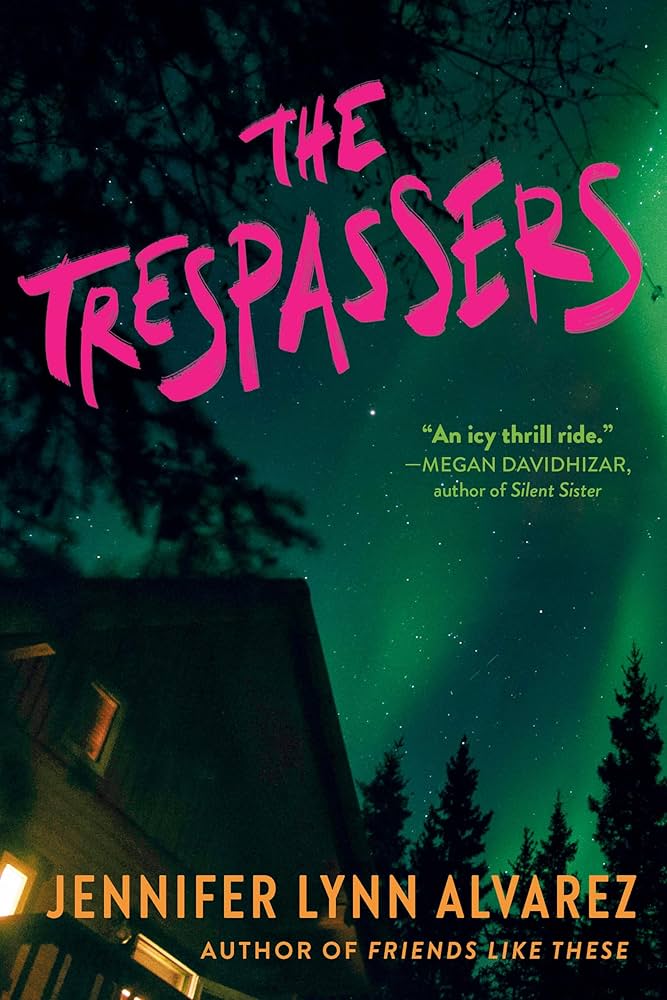
In the frozen wilderness of Alaska, Finley, Mya, River, and Eli were inseparable—until tragedy shattered their bond and drove Finley away. Now it’s senior year, and she’s back, hoping to reclaim the friendships she lost. But when Mya throws a house party on a snowy night, Finley realizes the group isn’t what it used to be. And maybe they never were.
Then a stranger crashes the party. Then someone ends up dead. Then everything unravels.
As the four teens scramble to hide what happened, their secrets begin to surface—and the lies they tell each other might be the most dangerous of all. How far will they go to protect each other? And who’s worth saving?
This thriller was so intense, I read it in two days! Such good characters, so many exciting twists, and an ending I did not see coming. This book invited me to completely forget my life while reading and I enjoyed the time completely absorbed in the page-turning story. Plus, I loved the Alaska setting.
I hope you’re enticed by some (or all) of these great reads! As we move into the last month of 2025, I’m reflecting on the past year and pulling together some announcements, so stay posted. Subscribe with the button or reach out through the Contact Me page if you’d like to keep in touch!
 Amy C. Lutz